
Speedster journal
Your delivery is your brand: how delivery management builds customer trust
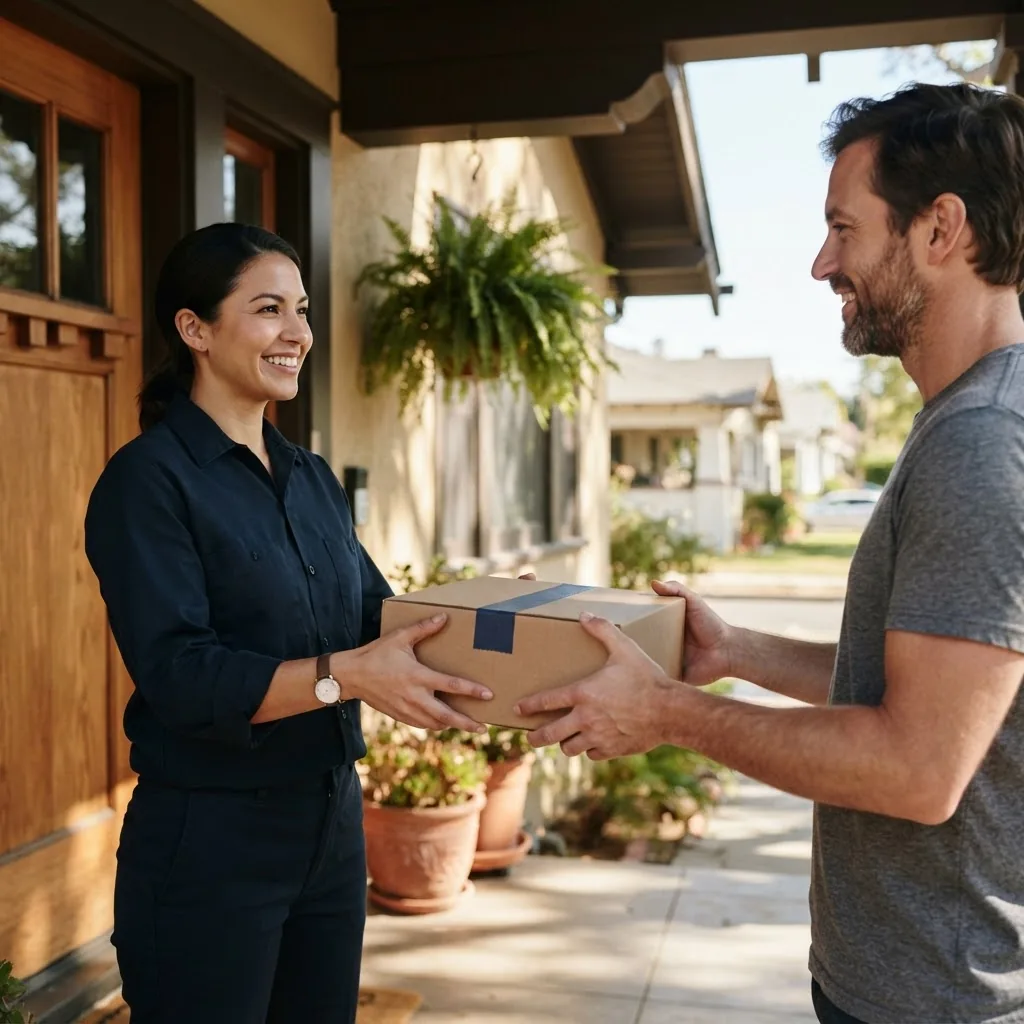
Some customers will never walk into your shop. They find you online, place an order, and meet your business for the first time at their front door. For them, the delivery is the brand.
Restaurants figured this out early because they had to. Nearly 75% of restaurant traffic now happens off-premises, according to the National Restaurant Association’s 2025 research. As Restaurantware explains, for many operators the delivery handoff is the only physical brand experience a customer gets. So the best restaurants treat delivery as part of hospitality: sealed bags, consistent packaging, food that arrives at the right temperature, and a reason to order direct next time.
If a restaurant can build a brand through a bag on a doorstep, a florist, bakery, pharmacy, or retailer can too. The tools are the same: how you communicate, how you prove the delivery happened, how consistent it feels, and how you show up when something goes wrong. This article walks through each one.
The trust gap between purchase and doorstep
The moment a customer pays, they start trusting you with something: a gift that has to arrive before the party, a prescription they need today, a week of meals. Between checkout and the doorstep, they can’t see what’s happening. That gap is where trust is either built or lost.
The cost of losing it is well documented. In a FarEye survey covered by Chain Store Age, 85% of US consumers said they would not shop with a retailer again after a poor delivery experience. Sendcloud’s 2025 delivery research found that nearly 60% of online shoppers had run into at least one delivery problem in the previous three months.
Many of those customers won’t complain. They just don’t order again. For a local business that depends on repeat customers, every delivery is a vote on whether they come back.
The four parts of a delivery customers trust
A delivery that builds trust gets four things right. Restaurants manage these through packaging and service; any delivery business can manage them through how it runs deliveries.
1. Communication: answer “where is it?” before they ask
Waiting without information is what turns a normal delivery into a support call. As Salesforce notes, “Where is my order?” questions come up when customers feel uninformed, and proactive tracking updates help build trust. Sendcloud’s research found 24.2% of European shoppers wouldn’t reorder from a store that lacks reliable tracking.
Live tracking you can share with your customer replaces guessing with a moving dot on a map. It also frees your team from answering the same question all afternoon.
2. Credibility: prove the delivery happened
A delivery marked “done” means little without proof. Photo confirmation at the door, signature capture, and age verification for restricted items give both you and your customer a clear record. When a customer asks whether the flowers arrived, you can show them instead of telling them.
Restaurants use tamper-evident seals for the same reason: they make care visible before the customer opens anything.
3. Consistency: the same experience every time
Recognition comes from repetition. Restaurantware makes this point about packaging: a repeatable routine builds recognition faster than a one-off promotion. Delivery works the same way. Similar handoffs, predictable pricing, and, where it fits, the same driver at the door every week all add up to an experience customers can count on.
4. Presence: how you show up at the door
The driver, the way the item is handled, and the packaging are all your brand in physical form. A driver who knows to use the side entrance, carries the cake level, and hands it to the customer directly represents your business well, even though they don’t work in your shop.
When something goes wrong
Even well-run deliveries hit problems: a closed office, a wrong gate code, a customer who isn’t home. How you handle that moment often says more about your brand than a delivery that went perfectly.
Sendcloud’s CEO put it plainly in coverage of their 2025 report: failures that are “met with silence” are what customers won’t forgive. The same research found 64.3% of shoppers wouldn’t reorder after a failed delivery.
Recovery depends on reaching a real person who can act. That’s why Speedster runs live human support, staffed by people who know the drivers on the road. When a delivery needs rerouting or a driver needs a better note, you get a quick answer from someone who can fix it, and your customer gets a follow-up instead of silence.
A quick checklist to audit your delivery experience
Walk through your last ten deliveries with these questions. Every “no” is a place where trust can slip.
- Could the customer see where their delivery was without calling you?
- Do you have a photo or signature for every completed delivery?
- Did fragile or temperature-sensitive items arrive in the condition they left?
- Did drivers have the notes they needed for entrances, gates, and hours?
- Did regular customers see a familiar face, or a new driver each time?
- Was your delivery cost the same at 11 a.m. as at 5 p.m.?
- When something went wrong, did you reach a real person quickly?
- Would you be proud if a customer posted a photo of the handoff?
Where Speedster fits
Speedster is local delivery built for California businesses that deliver every day. Our own vetted drivers, live tracking, proof of delivery, distance-based pricing that stays the same all day, insurance on every delivery, and live human support cover all four parts of a delivery customers trust.
Frequently asked questions
How does delivery affect brand perception? For customers who never visit your location, the delivery is the main physical experience they have with your business. Clear updates, careful handling, and proof at the door shape how they remember you.
What makes a delivery feel trustworthy? Knowing where it is, seeing proof it arrived, getting the same quality every time, and reaching a real person if something goes wrong.
Can small businesses build a brand through delivery like restaurants do? Yes. Restaurants rely on packaging, consistency, and service to turn delivery into a brand moment. Florists, bakeries, pharmacies, and retailers can apply the same principles with the right delivery partner.
Make every delivery part of your brand
Your customers judge you at the door. Give them tracking they can follow, proof they can trust, and a delivery that feels the same every time. Get Started with Speedster and turn your next delivery into your best brand moment.
Keep reading
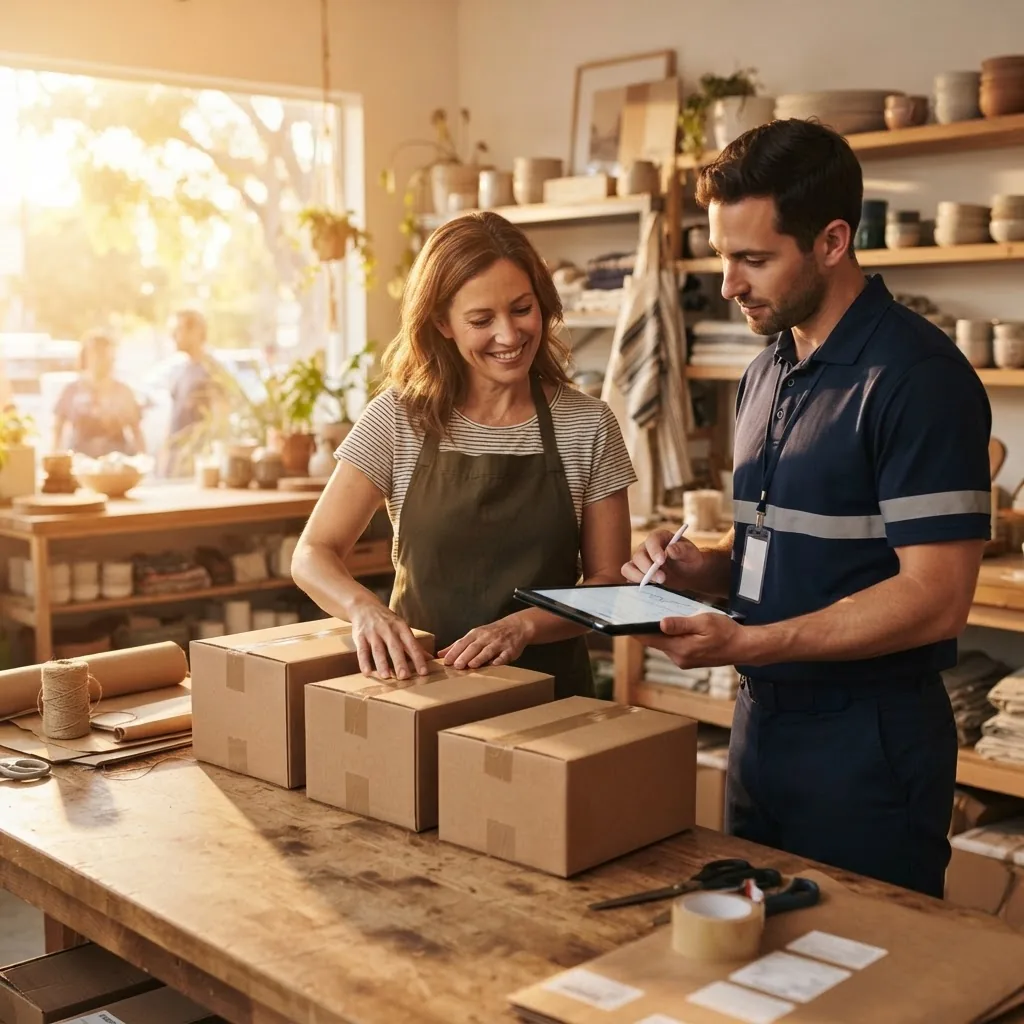
Why dedicated delivery drivers help you build a stronger brand
For a lot of local businesses, the delivery driver is the only person from your business your customer ever meets. They never see your shop, your kitchen, or your team. They see one person at the door holding your product. Restaurants have been living with this for
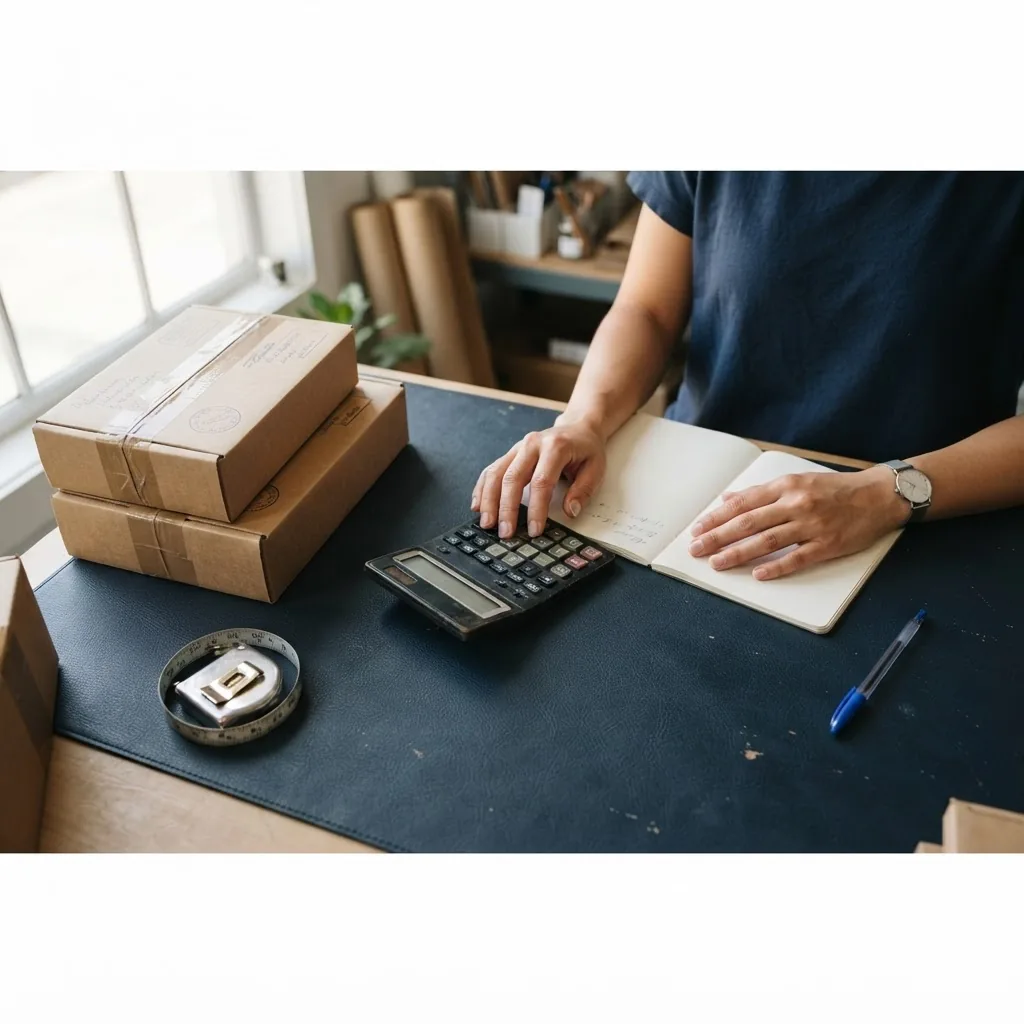
How to set local delivery rates that fit your margins
Every local delivery you send has a price, and that price comes straight out of your margin. A florist sending a $90 arrangement across town, a meal prep kitchen running the same weekly routes, and an auto parts counter rushing a part to a repair shop all face different

Quick Courier Delivery Service in San Diego
Looking for a reliable Courier Delivery Service in San Diego? We offer fast, secure, and affordable same-day deliveries for businesses and individuals. Ever needed to send something across town right now? Maybe a forgotten laptop, an important document, or a gift that
Running deliveries for a local business? See Speedster’s delivery solutions, delivery pricing and the industries we serve.